
Original meaning: leisure; carefree
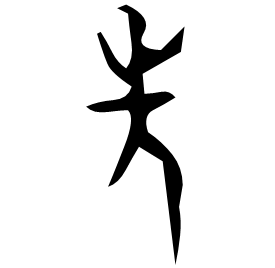
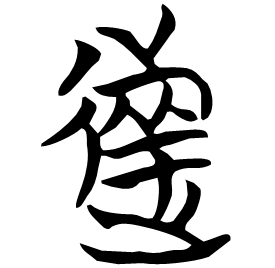
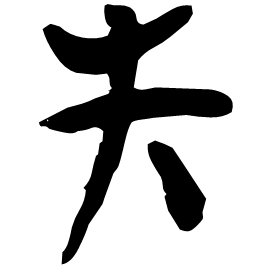
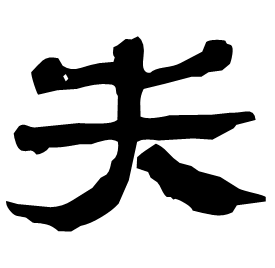
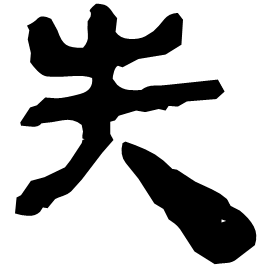
Depicts a person with their hair loose. Based on the original meaning "leisure; carefree", now written as 佚. The meaning later shifted to "lose" and "fail".
Character Evolution

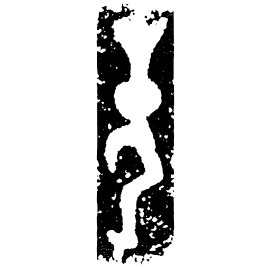
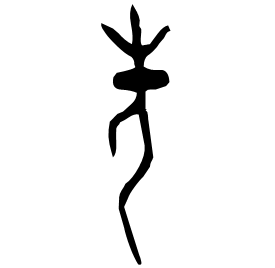
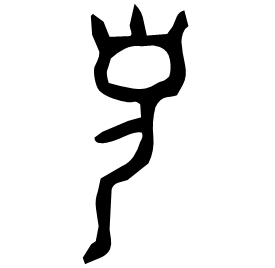
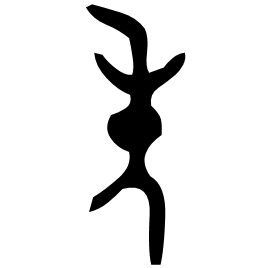


Component uses
Historical Pronunciations
| Middle Chinese | Old Chinese | Gloss | |
|---|---|---|---|
| Baxter-Sagart | syit | l̥i[t] | lose |
說文解字
《說文》:“失,縱也。从手,乙聲。”
Sources
- Character origin
- 何景成《甲骨文字詁林補編》p.26黃德寬《古文字譜系疏證》p.3349
- Readings & variants
- Unicode
- Historical pronunciations
- Baxter-Sagart
- Historical images
- Academia Sinica
- Etymology
- Shuowen Jiezi (說文解字)
Components
Character Evolution

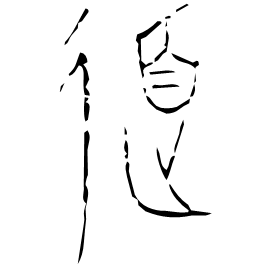
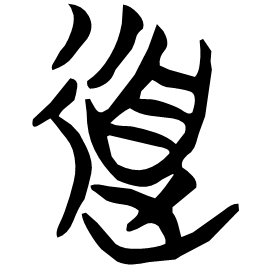
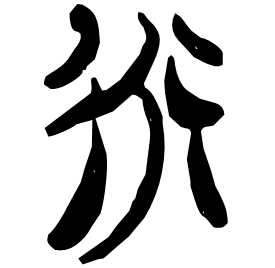
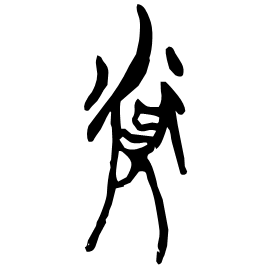
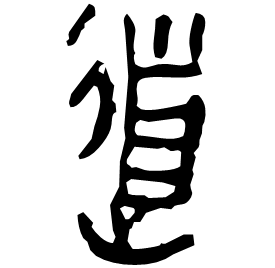
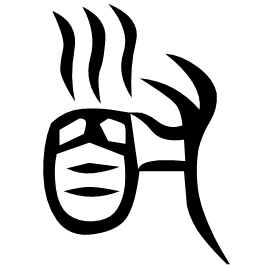

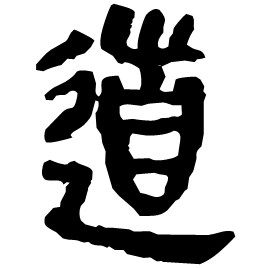
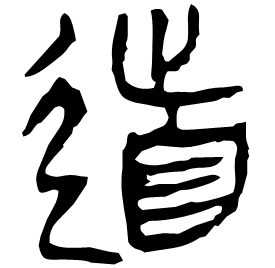
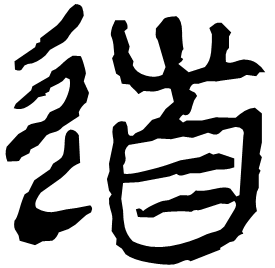
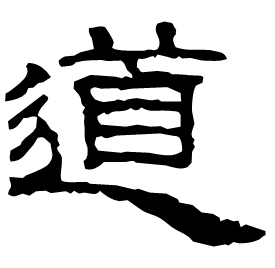
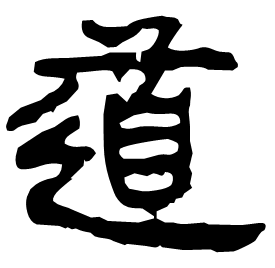
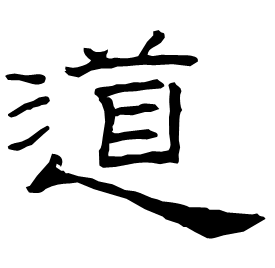

Component uses
Historical Pronunciations
| Middle Chinese | Old Chinese | Gloss | |
|---|---|---|---|
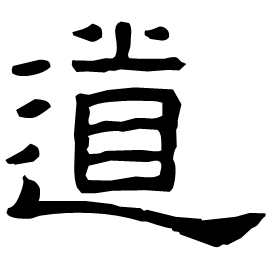
| Baxter-Sagart | dawH | lˤuʔ-s | show the way |
| dawX | [kə.l]ˤuʔ | way |
說文解字
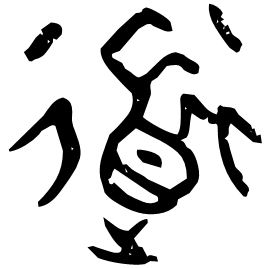
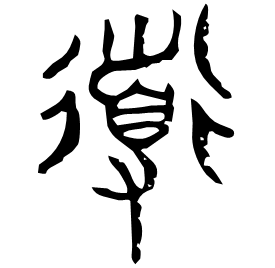
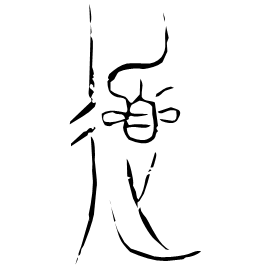
所行道也。从辵从𩠐。一達謂之道。
Sources
- Readings & variants
- Unicode
- Historical pronunciations
- Baxter-Sagart
- Historical images
- Academia Sinica
- Etymology
- Shuowen Jiezi (說文解字)
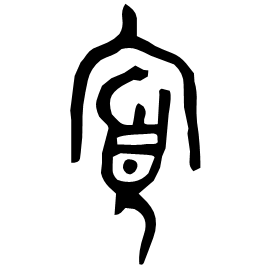
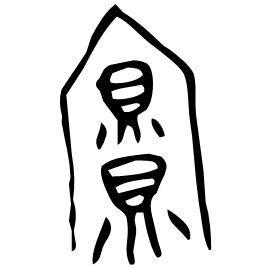
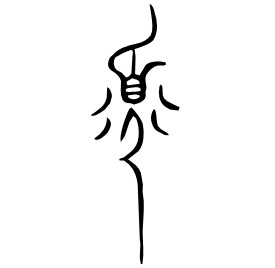
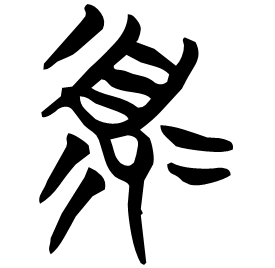
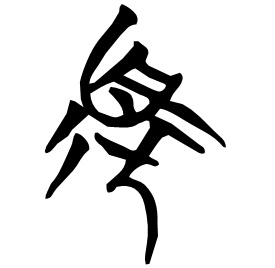
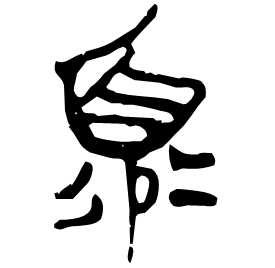
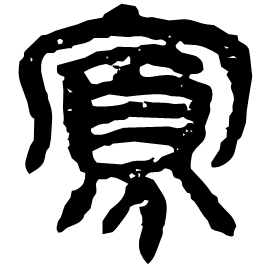
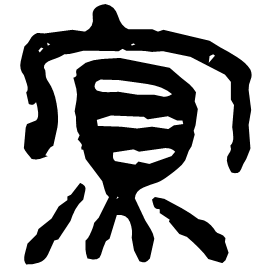
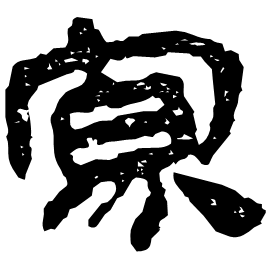
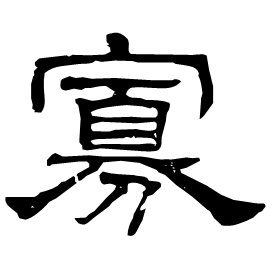
Original meaning: live alone
Depicts a person living alone in a house (宀). The decorative strokes around the 頁 component corrupted into the unrelated 分.
Components
Character Evolution



Historical Pronunciations
| Middle Chinese | Old Chinese | Gloss | |
|---|---|---|---|
| Baxter-Sagart | kwaeX | [C.k]ʷˤraʔ | few |
說文解字
《說文》:“寡,少也。从宀,从頒。頒,分賦也,故為少。”
Sources
- Character origin
- Wiktionary漢語多功能字庫
- Readings & variants
- Unicode
- Historical pronunciations
- Baxter-Sagart
- Historical images
- Academia Sinica
- Etymology
- Shuowen Jiezi (說文解字)
Components
Character Evolution


Component uses
Historical Pronunciations
| Middle Chinese | Old Chinese | Gloss | |
|---|---|---|---|
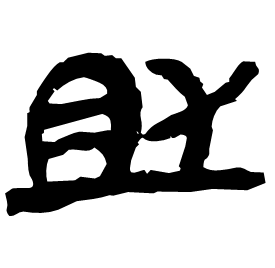
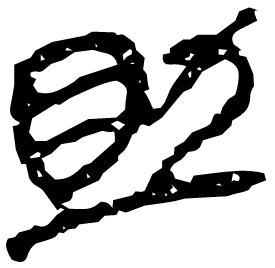
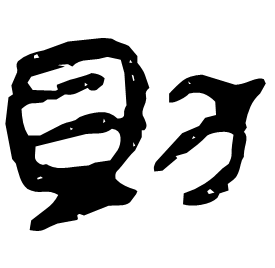
| Baxter-Sagart | dzrjoH | [dz]ra-s | help (v.) |
說文解字
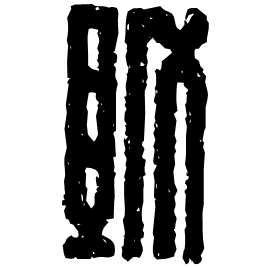
《說文》:“助,左也。从力,且聲。”
Sources
- Character origin
- 漢語多功能字庫
- Readings & variants
- Unicode
- Historical pronunciations
- Baxter-Sagart
- Historical images
- Academia Sinica
- Etymology
- Shuowen Jiezi (說文解字)