边
biān HSK1

edge

Simplified form of 邊. Phonosemantic compound. 辶 and 方 represent the meaning, while 自 and 丙 represent the sound. The traditional components 自 and 丙 were removed for simplification.

Components

力
力 Simplified component
lì, li power

Shorthand for the 方 component in the traditional character 邊.

辶
辶 Meaning component
chuò walk

辶 is a component form of 辵.

Component uses

Sound (0 of 1 verified)

Sources

Readings & variants
Unicode

邊 biān, bian edge Traditional

Phonosemantic compound with two sound components and two meaning components. 辶 and 方 represent the meaning, while 自 and 丙 represent the sound.

Components

自
自 Sound component
zì (nose), self

自 was the original form of 鼻 (bí; nose).

丙
丙 Sound component
bǐng third
方
方 Meaning component
fāng, fang square
辶
辶 Meaning component
chuò walk

辶 is a component form of 辵.

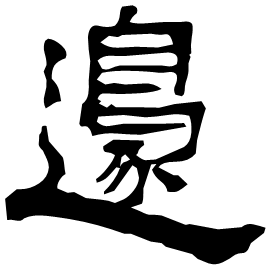
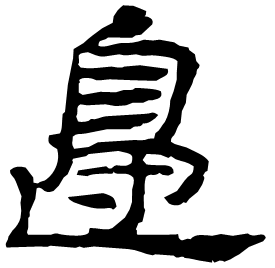
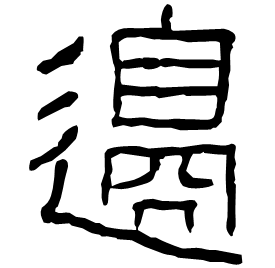
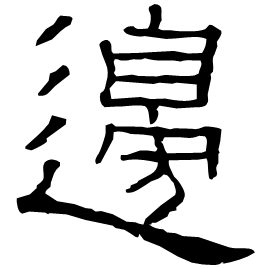
Character Evolution

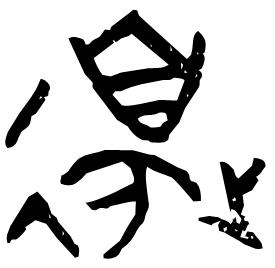
Oracle form
Oracle Bone ~1250-1000 BC
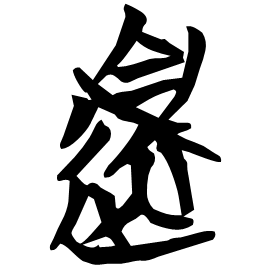
Bronze form
Bronze Early Western Zhou ~1000 BC
Bronze form
Bronze Late Western Zhou ~800 BC
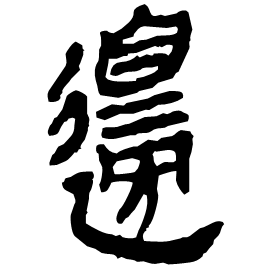
Seal form
Seal Warring States (Chu) 475-221 BC
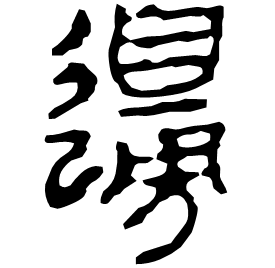
Seal form
Seal Shuowen ~100 AD
Clerical form
Clerical Qin 221-206 BC
Clerical form
Clerical Western Han 202 BC-9 AD
Clerical form
Clerical Western Han 202 BC-9 AD
Clerical form
Clerical Western Han 202 BC-9 AD
Clerical form
Clerical Eastern Han 25-220 AD
Clerical form
Clerical Eastern Han 25-220 AD
Clerical form
Clerical Western Jin 266-316 AD
Regular Modern

Historical Pronunciations

Middle ChineseOld ChineseGloss
Baxter-Sagartpenpˤe[n] side

Sources

Character origin
漢語多功能字庫
Readings & variants
Unicode
Historical pronunciations
Baxter-Sagart
Historical images
Academia Sinica