← Back to history 
Bronze Late Warring States ~250 BC 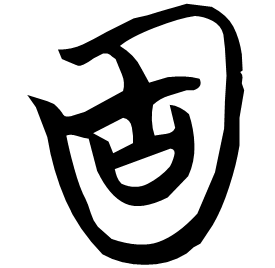
Seal Warring States (Chu) 475-221 BC 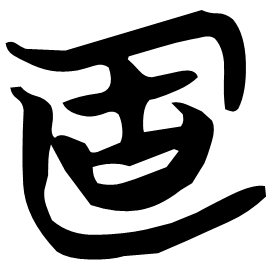
Seal Warring States (Chu) 475-221 BC 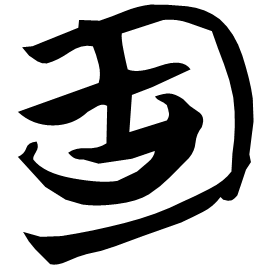
Seal Warring States (Chu) 475-221 BC 
Seal Shuowen ~100 AD 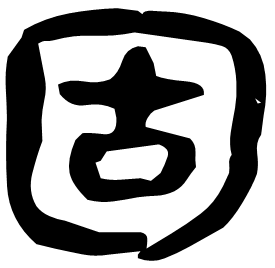
Clerical Qin 221-206 BC 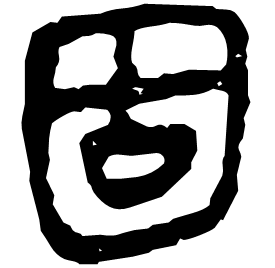
Clerical Western Han 202 BC-9 AD 
Clerical Eastern Han 25-220 AD Regular Modern
I included the english translation of the definition given by the Shuowen
Review: Incorrect anlysis. This is not how the graph was constructed.
Changed fields: originalMeaning, customSources
Original meaning: Something ancient (古) enclosed and protected (囗) on all its 4 sides
Originally written as 古. Phonosemantic compound. 囗 represents the meaning and 古 represents the sound.
Components
Character Evolution
Historical Pronunciations
| Middle Chinese | Old Chinese | Gloss | |
|---|---|---|---|
| Baxter-Sagart | kuH | [k]ˤa-s | fortified, secure |
說文解字
《說文》:“固,四塞也。从囗,古聲。”
Sources
- Character origin
- Readings & variants
- Unicode
- Historical pronunciations
- Baxter-Sagart
- Historical images
- Academia Sinica
- Etymology
- Shuowen Jiezi (說文解字)