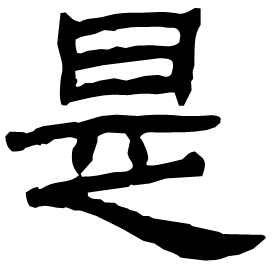
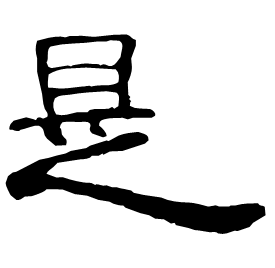
是
shì HSK1

is

← Back to history
rejected by inralback19 · Oct 12, 2025, 11:33 PM · Reviewed by Prismcool on Oct 18, 2025, 02:34 AM

will it be approved???,?*

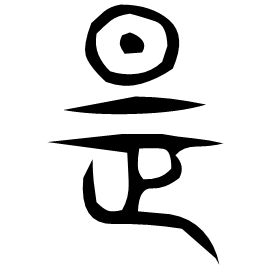
Review: The top component was not 早. 早 was written very differently during the Western Zhou period.

Changed fields: hint, components

Phono-semantic compound. 早 represents the meaning and 止 represents the sound.

Components

早
早 Sound component

The purpose of this component is unclear.

Change in form
Due to historical stylistic changes, this component is less similar to 早 than it was in ancient scripts.
止
止 Meaning component

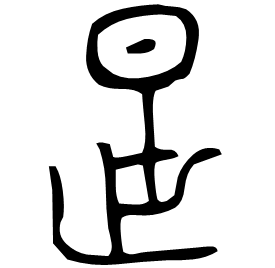
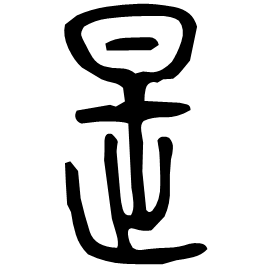
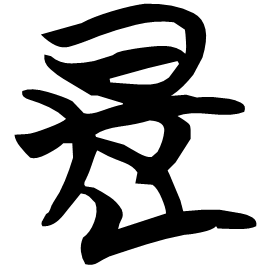
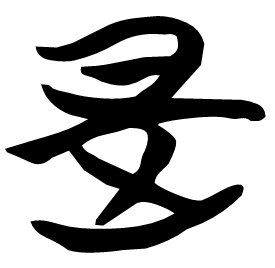
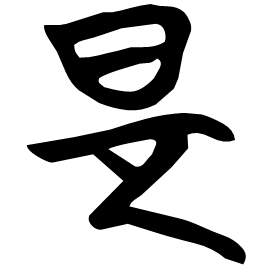
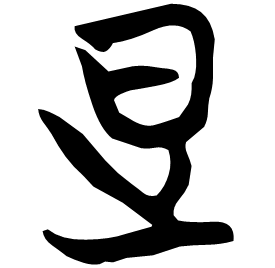
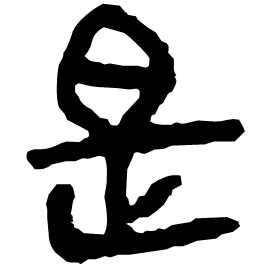
Character Evolution

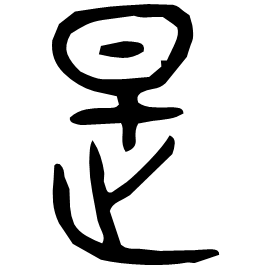
Bronze form
Bronze Mid Western Zhou ~900 BC
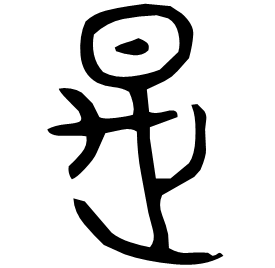
Bronze form
Bronze Late Western Zhou ~800 BC
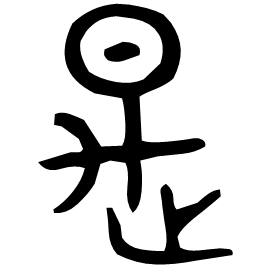
Bronze form
Bronze Late Western Zhou ~800 BC
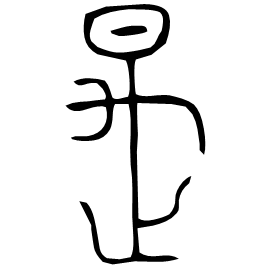
Bronze form
Bronze Early Spring and Autumn ~700 BC
Bronze form
Bronze Mid Spring and Autumn ~600 BC
Bronze form
Bronze Late Spring and Autumn ~500 BC
Bronze form
Bronze Qin 221-206 BC
Seal form
Seal Warring States (Chu) 475-221 BC
Seal form
Seal Warring States (Chu) 475-221 BC
Seal form
Seal Warring States (Chu) 475-221 BC
Seal form
Seal Warring States (Chu) 475-221 BC
Seal form
Seal Shuowen ~100 AD
Seal form
Seal Shuowen ~100 AD
Clerical form
Clerical Qin 221-206 BC
Clerical form
Clerical Eastern Han 25-220 AD
Clerical form
Clerical Eastern Han 25-220 AD
Clerical form
Clerical Eastern Han 25-220 AD
Regular Modern

Historical Pronunciations

Middle ChineseOld ChineseGloss
Baxter-SagartdzyeX[d]eʔ this

說文解字

《說文》:“是,直也。从日、正。昰,籀文是,从古文正。”

Sources

Character origin
漢語多功能字庫
Readings & variants
Unicode
Historical pronunciations
Baxter-Sagart
Historical images
Academia Sinica