
Components
Character Evolution


Historical Pronunciations
| Middle Chinese | Old Chinese | |
|---|---|---|
| Zhengzhang | ŋaːws | |
| Unicode | ngɑù |
說文解字
《說文》:“傲,倨也。从人,敖聲。”
Sources
- Character origin
- 漢語多功能字庫
- Readings & variants
- Unicode
- Historical pronunciations
- Zhengzhang Shangfang
- Historical images
- Academia Sinica
- Etymology
- Shuowen Jiezi (說文解字)
Components
Character Evolution


Historical Pronunciations
| Middle Chinese | Old Chinese | Gloss | |
|---|---|---|---|
| Baxter-Sagart | maenH | mˤra[n]-s | disrespectful |
說文解字
《說文》:“慢,惰也。从心,曼聲。一曰慢,不畏也。”
Sources
- Character origin
- 漢語多功能字庫
- Readings & variants
- Unicode
- Historical pronunciations
- Baxter-Sagart
- Historical images
- Academia Sinica
- Etymology
- Shuowen Jiezi (說文解字)
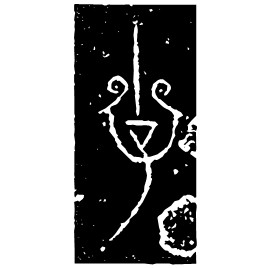
Depicts four dots, representing the meaning "few". Originally the same character as 小. The small dots possibly represent grains of sand (沙).
Character Evolution

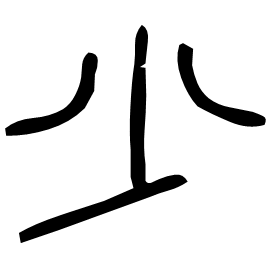

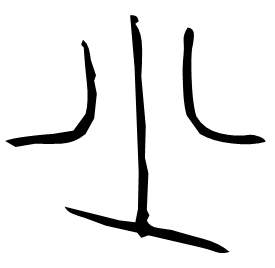
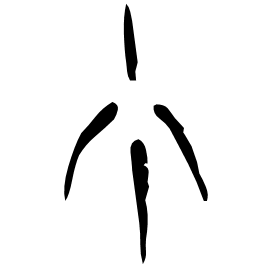
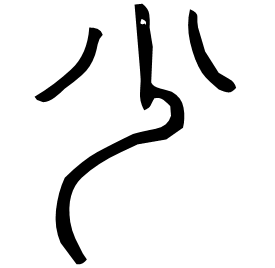
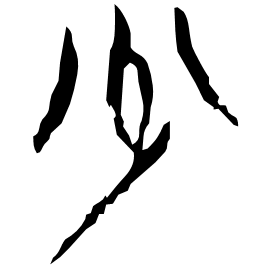
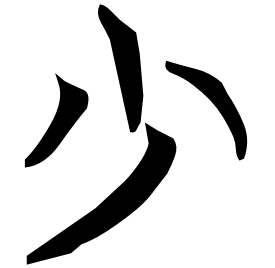

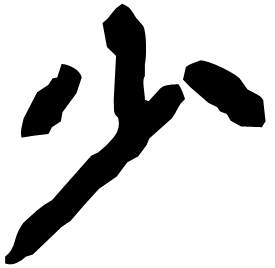
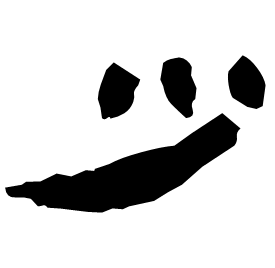
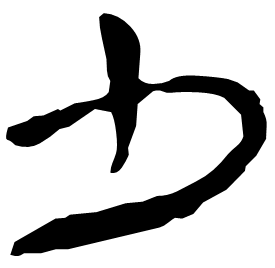
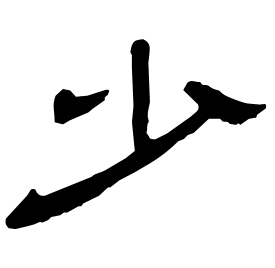

Component uses
Historical Pronunciations
| Middle Chinese | Old Chinese | Gloss | |
|---|---|---|---|
| Baxter-Sagart | syewX | [s.t]ewʔ | few |
| syewH | [s-t]ewʔ-s | young |
說文解字
《說文》:“少,不多也。从小,丿聲。”
Sources
- Character origin
- 漢語多功能字庫季旭昇《說文新證》p.79
- Readings & variants
- Unicode
- Historical pronunciations
- Baxter-Sagart
- Historical images
- Academia Sinica
- Etymology
- Shuowen Jiezi (說文解字)
Simplified
Components
Historical Pronunciations
| Old Chinese | |
|---|---|
| Zhengzhang | riːʔ |
Sources
- Readings & variants
- Unicode
- Historical pronunciations
- Zhengzhang Shangfang
Traditional
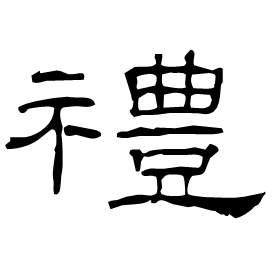
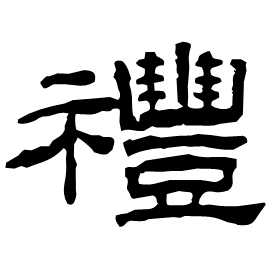
Phonosemantic compound. 礻 represents the meaning and 豊 represents the sound. Originally written as 豊.
Components
Character Evolution

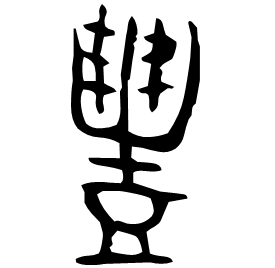
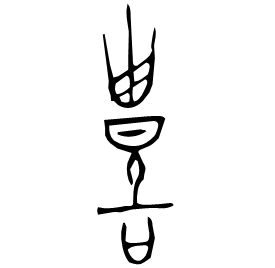
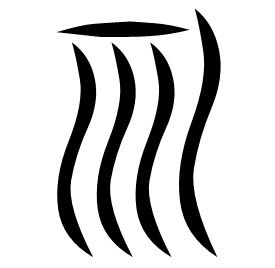

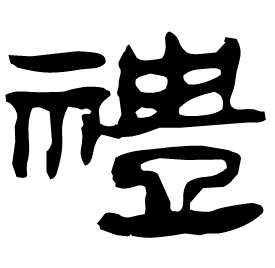
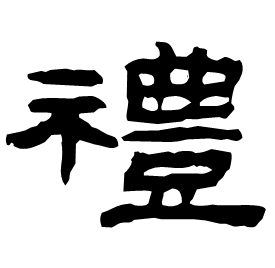

Historical Pronunciations
| Middle Chinese | Old Chinese | Gloss | |
|---|---|---|---|
| Baxter-Sagart | lejX | [r]ˤijʔ | propriety, ceremony |
說文解字
《說文》:“禮,履也,所以事神致福也。从示、从豊,豊亦聲。,古文禮。”
Sources
- Character origin
- 漢語多功能字庫
- Readings & variants
- Unicode
- Historical pronunciations
- Baxter-Sagart
- Historical images
- Academia Sinica
- Etymology
- Shuowen Jiezi (說文解字)