
Simplified
Original meaning: untangle threads
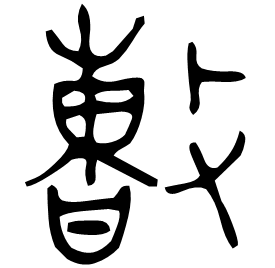
Simplified form of 亂. Originally written as 𤔔, which depicts two hands (𠬪) untangling threads (幺) on a silk frame. 乚 was later added as a distinguishing mark. The meaning later shifted to "mess" and "confusion".
Components
舌 Simplified component
Shorthand for the 𤔔 component in the traditional character 亂.
乚 Distinguishing component
Components
Character Evolution

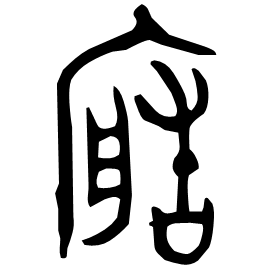
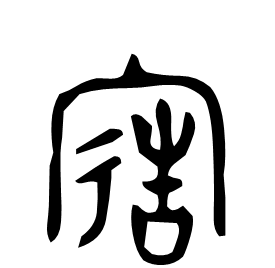
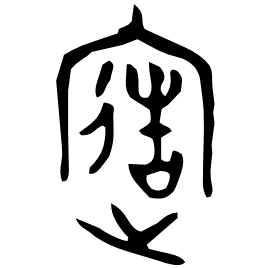
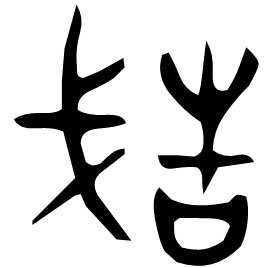
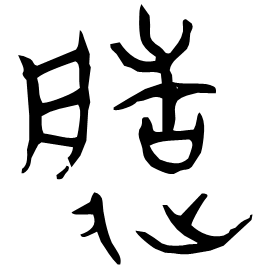
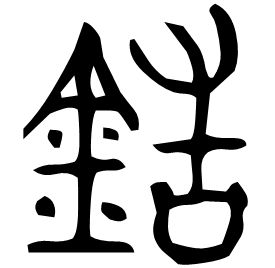
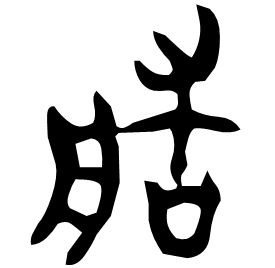
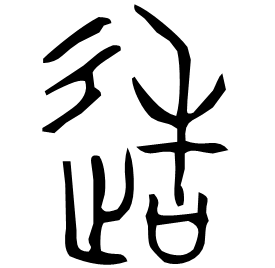
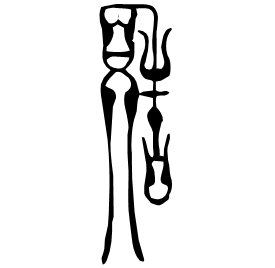
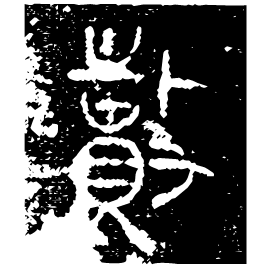
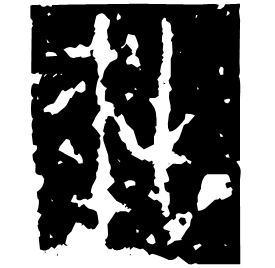
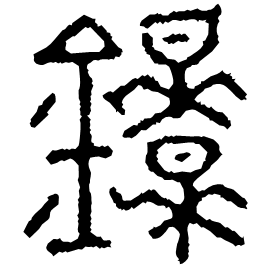
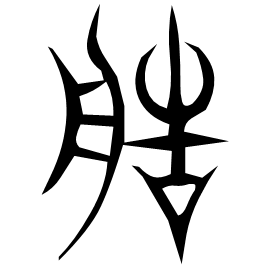

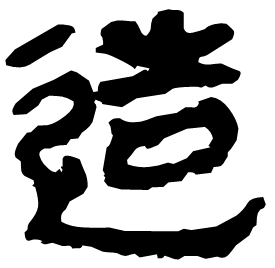
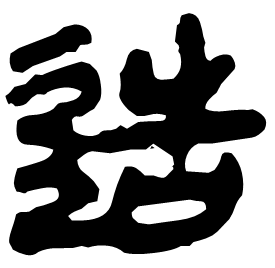
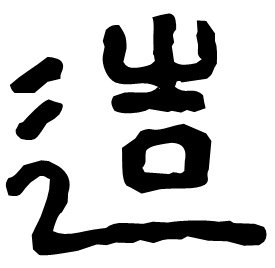
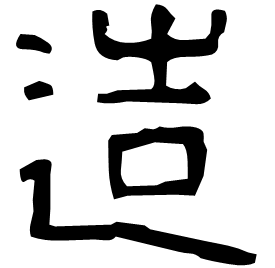
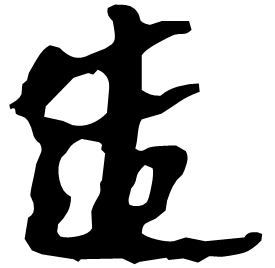
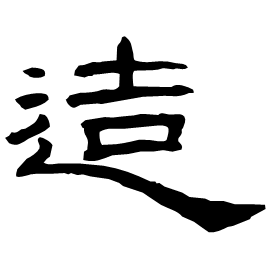

Component uses
Historical Pronunciations
| Middle Chinese | Old Chinese | Gloss | |
|---|---|---|---|
| Baxter-Sagart | dzawX | [dzˤ]uʔ | make |
| tshawH | (mə-)tsʰˤuʔ-s | go to |
說文解字
就也。从辵告聲。譚長說:造,上士也。
Sources
- Character origin
- 漢語多功能字庫
- Readings & variants
- Unicode
- Historical pronunciations
- Baxter-Sagart
- Historical images
- Academia Sinica
- Etymology
- Shuowen Jiezi (說文解字)
Traditional
Components
Character Evolution
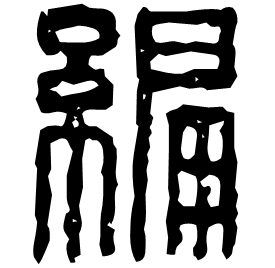

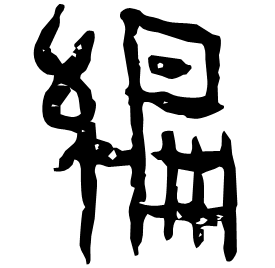
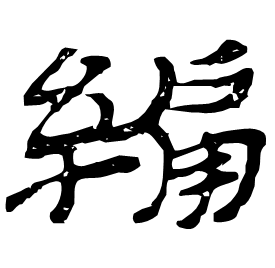

Historical Pronunciations
| Middle Chinese | Old Chinese | Gloss | |
|---|---|---|---|
| Baxter-Sagart | pen | pˤe[r] | plait, weave |
| pjien | pe[r] (~ *mə-pe[r] in donor to HM) | plait, weave |
說文解字
《說文》:“編,次簡也。从糸,扁聲。”
Sources
- Character origin
- 漢語多功能字庫
- Readings & variants
- Unicode
- Historical pronunciations
- Baxter-Sagart
- Historical images
- Academia Sinica
- Etymology
- Shuowen Jiezi (說文解字)
Traditional
Original meaning: untangle threads
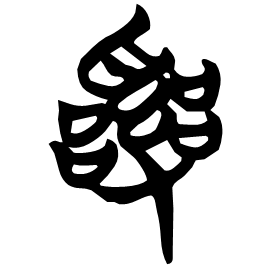
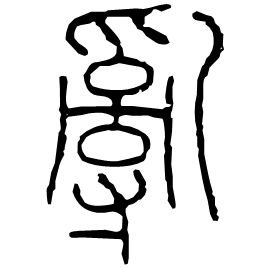
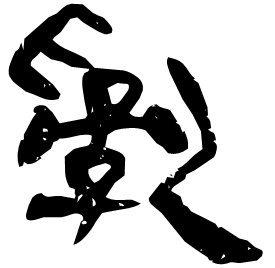
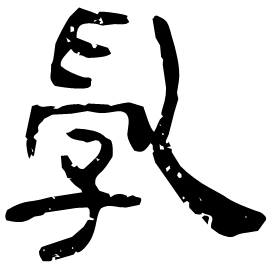
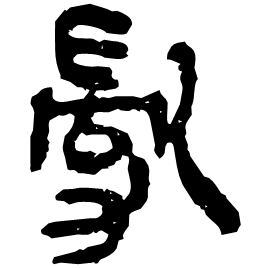
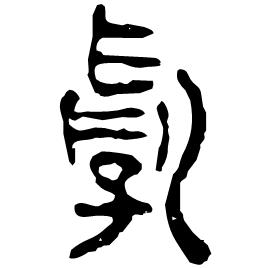
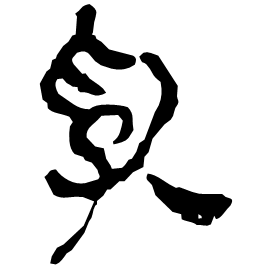
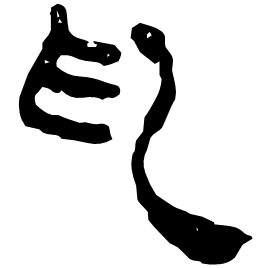
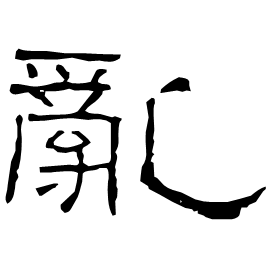
Originally written as 𤔔, which depicts two hands (𠬪) untangling threads (幺) on a silk frame. 乚 was later added as a distinguishing mark. The meaning later shifted to "mess" and "confusion".
Components
Character Evolution



Historical Pronunciations
| Middle Chinese | Old Chinese | Gloss | |
|---|---|---|---|
| Baxter-Sagart | lwanH | [r]ˤo[n]-s | disorder, rebellion |
說文解字
《說文》:“亂,治也。从乙。乙,治之也。从。”
Sources
- Character origin
- 季旭昇《說文新證》p.960漢語多功能字庫
- Readings & variants
- Unicode
- Historical pronunciations
- Baxter-Sagart
- Historical images
- Academia Sinica
- Etymology
- Shuowen Jiezi (說文解字)