
Original meaning: bear
Pictograph of a bear. Based on the original meaning "bear". The meaning of this character has shifted over time to mean "strong" and "ability, power". Original form of 熊.
Character Evolution

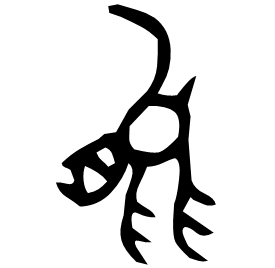
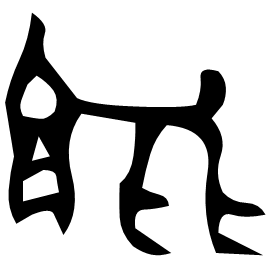
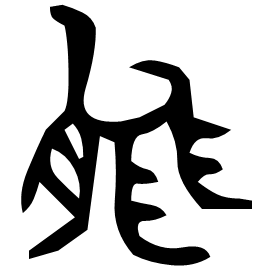
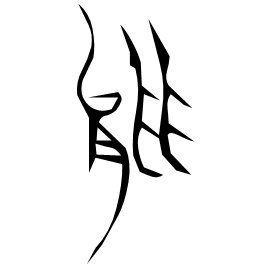
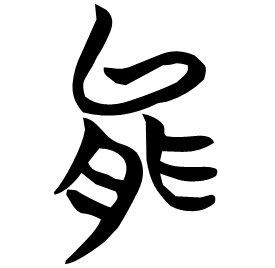
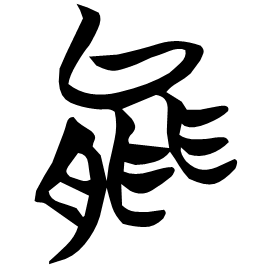

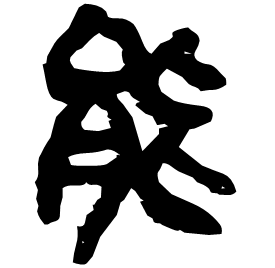
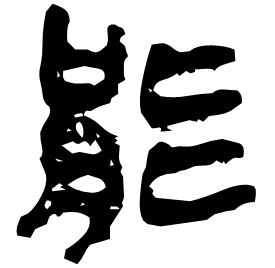
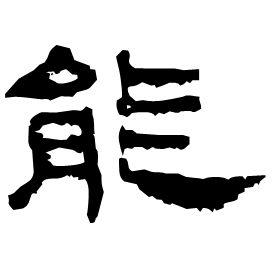
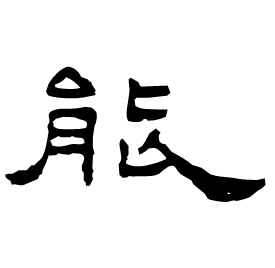
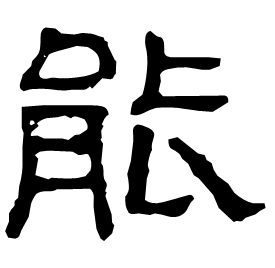

Component uses
Historical Pronunciations
| Middle Chinese | Old Chinese | Gloss | |
|---|---|---|---|
| Baxter-Sagart | noj | nˤə | a kind of bear |
| nong | nˤə(ŋ) | a kind of bear | |
| nong | nˤə(ʔ) (~ *nˤəŋ) | able; ability |
說文解字
《說文》:“能,熊屬,足似鹿。从肉,聲。能獸堅中,故稱賢能,而彊壯稱能傑也。”
Sources
- Character origin
- 漢語多功能字庫季旭昇《說文新證》p.752
- Readings & variants
- Unicode
- Historical pronunciations
- Baxter-Sagart
- Historical images
- Academia Sinica
- Etymology
- Shuowen Jiezi (說文解字)
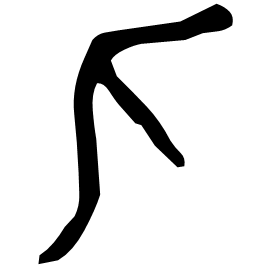
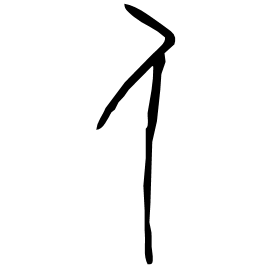
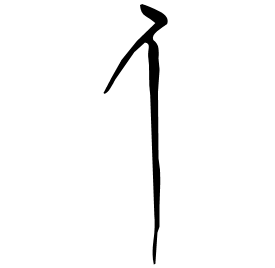
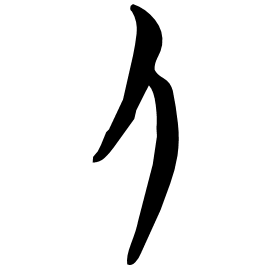
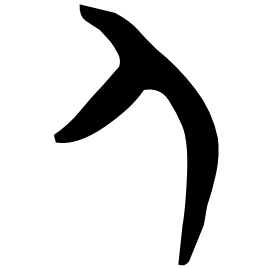
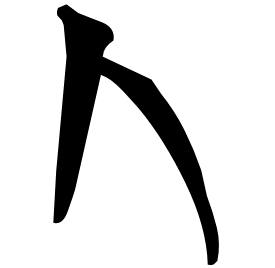
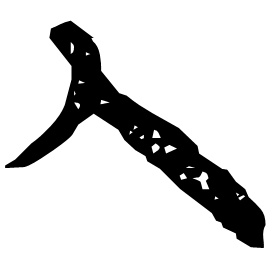
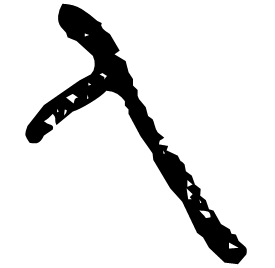
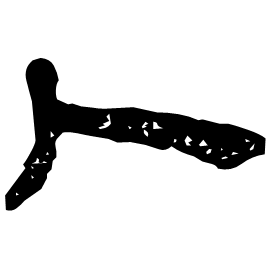
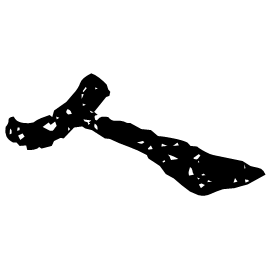
Pictograph of the side view of a standing person.
Character Evolution

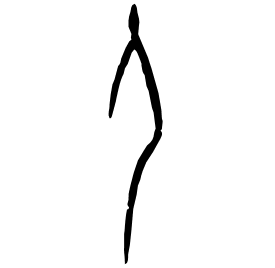
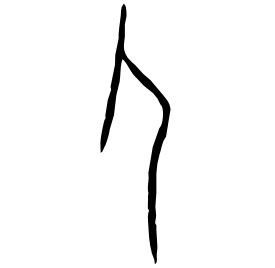
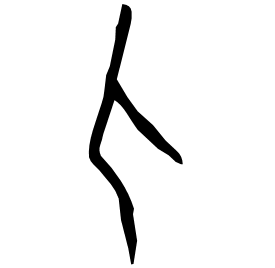

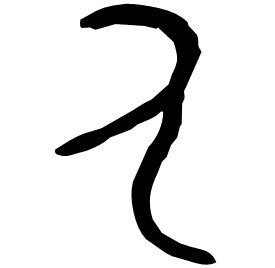
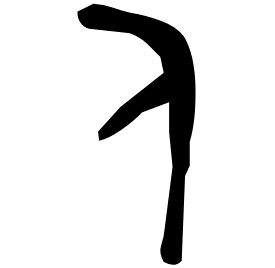


Component uses
Historical Pronunciations
| Middle Chinese | Old Chinese | Gloss | |
|---|---|---|---|
| Baxter-Sagart | nyin | ni[ŋ] | (other) person |
說文解字
《說文》:“人,天地之性最貴者也。此籀文,象臂脛之形。”
Sources
- Character origin
- 季旭昇《說文新證》p.630
- Readings & variants
- Unicode
- Historical pronunciations
- Baxter-Sagart
- Historical images
- Academia Sinica
- Etymology
- Shuowen Jiezi (說文解字)