
Traditional
Components
Character Evolution


Historical Pronunciations
| Middle Chinese | Old Chinese | Gloss | |
|---|---|---|---|
| Baxter-Sagart | tengX | tˤeŋʔ | top of the head |
說文解字
《說文》:“頂,顛也。从頁,丁聲。,或从作。,籀文从鼎。”
Sources
- Character origin
- 漢語多功能字庫
- Readings & variants
- Unicode
- Historical pronunciations
- Baxter-Sagart
- Historical images
- Academia Sinica
- Etymology
- Shuowen Jiezi (說文解字)
Traditional
Original meaning: outer door
Pictograph of a gate.
Character Evolution

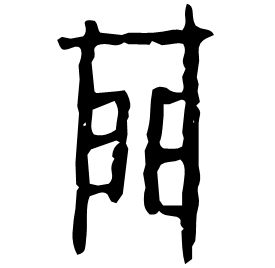

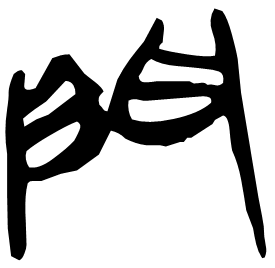

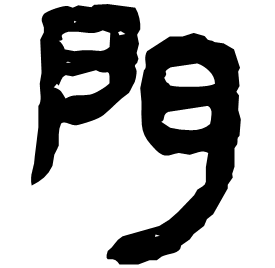
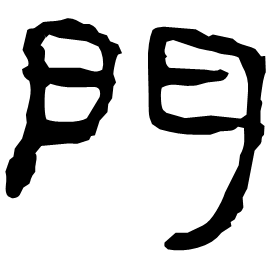

Component uses
Historical Pronunciations
| Middle Chinese | Old Chinese | Gloss | |
|---|---|---|---|
| Baxter-Sagart | mwon | mˤə[r] | gate, door |
說文解字
《說文》:“門,聞也。从二戶,象形。”
Sources
- Readings & variants
- Unicode
- Historical pronunciations
- Baxter-Sagart
- Historical images
- Academia Sinica
- Etymology
- Shuowen Jiezi (說文解字)
Traditional
Components
Character Evolution



Component uses
Historical Pronunciations
| Middle Chinese | Old Chinese | Gloss | |
|---|---|---|---|
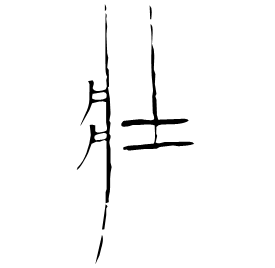
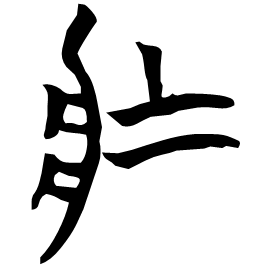
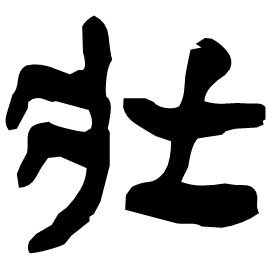
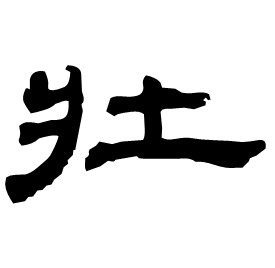
| Baxter-Sagart | tsrjangH | [ts]<r>aŋ-s | robust |
說文解字
《說文》:“壯,大也,从士,爿聲。”
Sources
- Character origin
- 漢語多功能字庫
- Readings & variants
- Unicode
- Historical pronunciations
- Baxter-Sagart
- Historical images
- Academia Sinica
- Etymology
- Shuowen Jiezi (說文解字)
Traditional
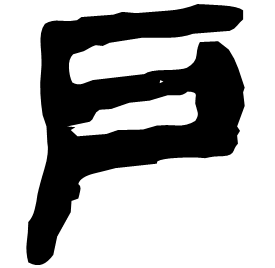
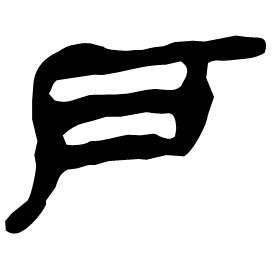
Pictograph of a door, similar to the left half of 門.
Character Evolution

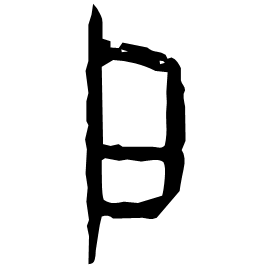

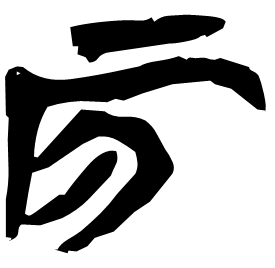
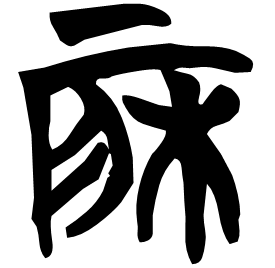
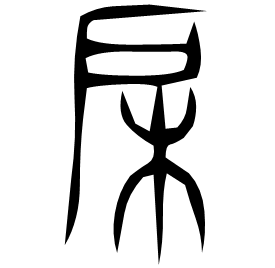


Component uses
Historical Pronunciations
| Middle Chinese | Old Chinese | Gloss | |
|---|---|---|---|
| Baxter-Sagart | huX | m-qˤaʔ | to stop, to check |
| huX | m-qˤaʔ | door |
說文解字
《說文》:“戶,護也。半門曰戶,象形。,古文戶从木。”
Sources
- Character origin
- 季旭昇《說文新證》p.833
- Readings & variants
- Unicode
- Historical pronunciations
- Baxter-Sagart
- Historical images
- Academia Sinica
- Etymology
- Shuowen Jiezi (說文解字)