
Simplified
Original meaning: physically disabled
Simplified form of 黃. Pictograph of a person with a large belly, representing someone deformed. The 口 component was added to imply sighing. Based on the original meaning "physically disabled", now written as 尪. Later meaning shifted to "yellow; sallow", a skin color associated with illness.
Simplified
Components
Character Evolution


Historical Pronunciations
| Old Chinese | |
|---|---|
| Zhengzhang | zraːɡs |
| sʰaːɡs |
說文解字
蠅䏣也。《周禮》:“蜡氏掌除骴。”从虫昔聲。
Sources
- Readings & variants
- Unicode
- Historical pronunciations
- Zhengzhang Shangfang
- Historical images
- Academia Sinica
- Etymology
- Shuowen Jiezi (說文解字)
Components
Historical Pronunciations
| Middle Chinese | Old Chinese | |
|---|---|---|
| Zhengzhang | ʔseʔ | |
| Unicode | tziuɛ̌ |
Sources
- Character origin
- 漢語多功能字庫
- Readings & variants
- Unicode
- Historical pronunciations
- Zhengzhang Shangfang
Pictograph of a sparrow.
Character Evolution


Historical Pronunciations
| Middle Chinese | Old Chinese | Gloss | |
|---|---|---|---|
| Baxter-Sagart | tsjak | [ts]ewk | sparrow |
說文解字
《說文》:“雀,依人小鳥也。从小、隹。讀與爵同。”
Sources
- Readings & variants
- Unicode
- Historical pronunciations
- Baxter-Sagart
- Historical images
- Academia Sinica
- Etymology
- Shuowen Jiezi (說文解字)
Traditional
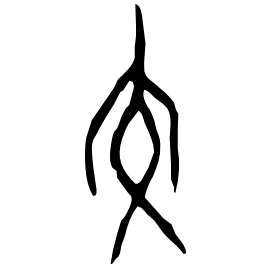
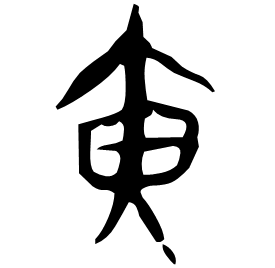
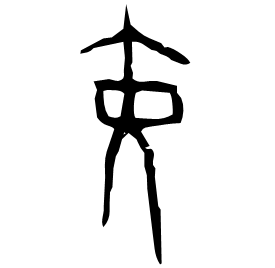
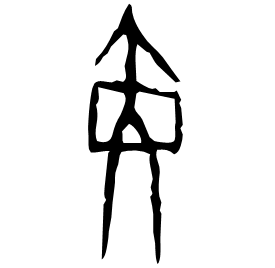
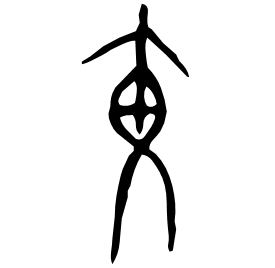
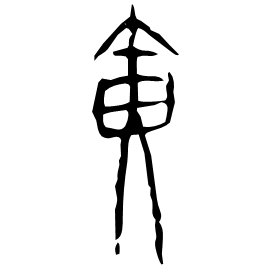
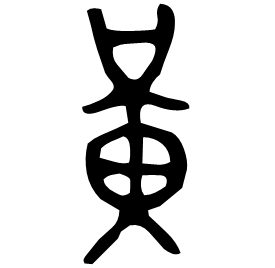
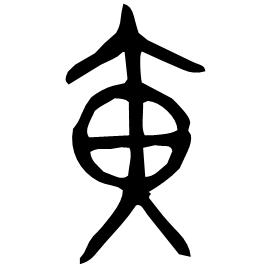
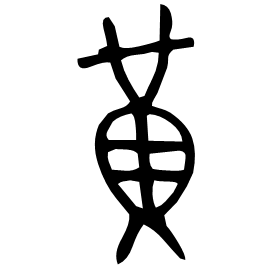
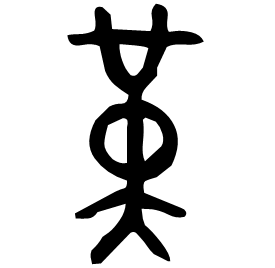
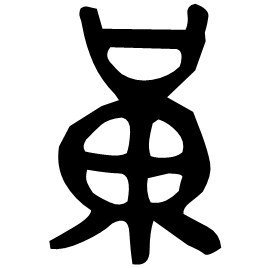
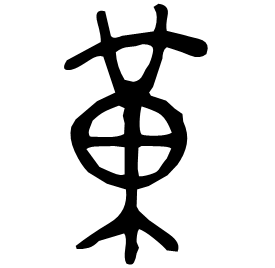
Original meaning: physically disabled
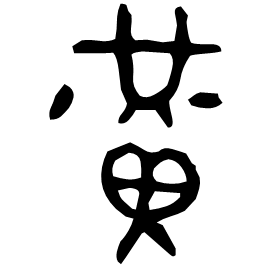
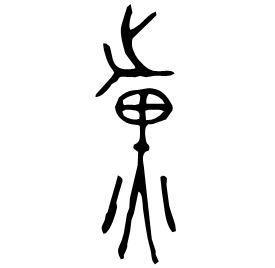
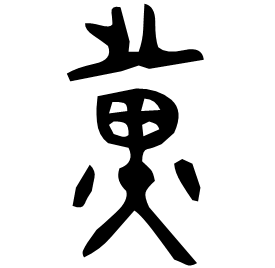
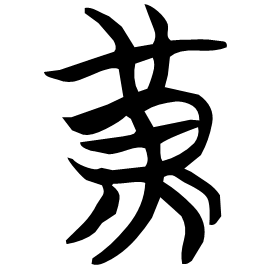
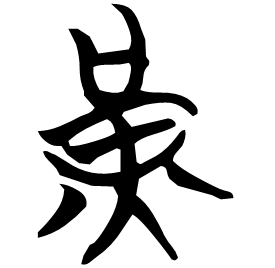
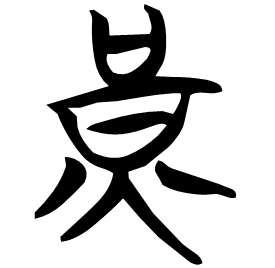
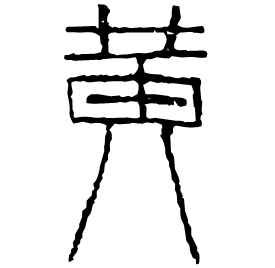
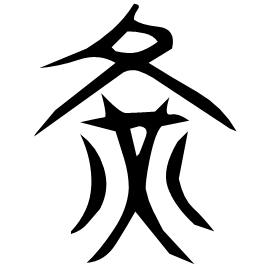
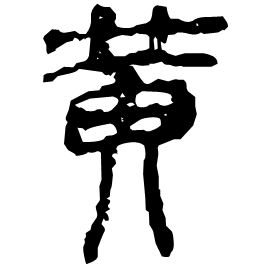
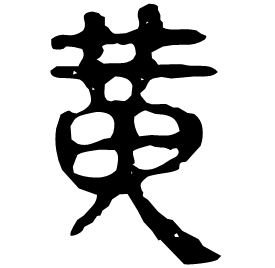
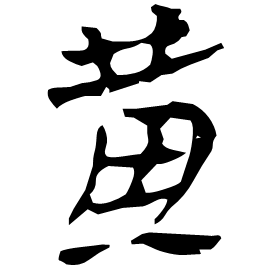
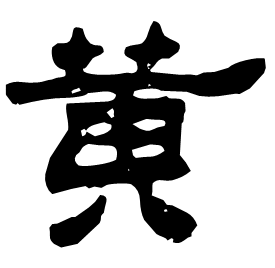
Pictograph of a person with a large belly, representing someone deformed. The 口 component was added to imply sighing. Based on the original meaning "physically disabled", now written as 尪. Later meaning shifted to "yellow; sallow", a skin color associated with illness.
Character Evolution



Component uses
Historical Pronunciations
| Middle Chinese | Old Chinese | Gloss | |
|---|---|---|---|
| Baxter-Sagart | hwang | N-kʷˤaŋ | yellow |
說文解字
《說文》:“黃,地之色也。从田,从炗,炗亦聲。炗,古文光。,古文黃。”
Sources
- Character origin
- 漢語多功能字庫季旭昇《說文新證》p.918
- Readings & variants
- Unicode
- Historical pronunciations
- Baxter-Sagart
- Historical images
- Academia Sinica
- Etymology
- Shuowen Jiezi (說文解字)
Traditional
Components
Character Evolution

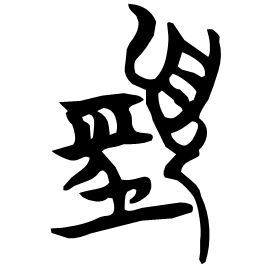
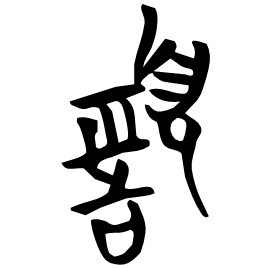

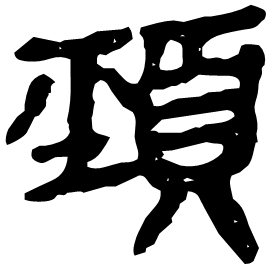
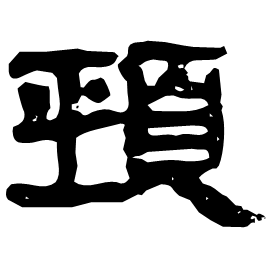
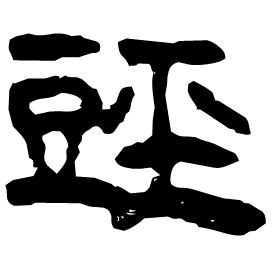

Historical Pronunciations
| Middle Chinese | Old Chinese | Gloss | |
|---|---|---|---|
| Baxter-Sagart | gjieng | m-[k]eŋ (no palatalization before *-eŋ?) | neck |
| kjiengX | [k]eŋʔ (no palatalization before *-eŋ?) | neck |
說文解字
《說文》:“頸,頭莖也。从頁,巠聲。”
Sources
- Character origin
- 漢語多功能字庫
- Readings & variants
- Unicode
- Historical pronunciations
- Baxter-Sagart
- Historical images
- Academia Sinica
- Etymology
- Shuowen Jiezi (說文解字)
Traditional
Components
Character Evolution


Historical Pronunciations
| Middle Chinese | Old Chinese | Gloss | |
|---|---|---|---|
| Baxter-Sagart | ngiX | [ŋ](r)əʔ (< uvular) | estimate, calculate |
| Zhengzhang | ŋɯʔ | ||
| Unicode | ngiə̌ |
說文解字
度也。从手疑聲。
Sources
- Readings & variants
- Unicode
- Historical pronunciations
- Baxter-SagartZhengzhang Shangfang
- Historical images
- Academia Sinica
- Etymology
- Shuowen Jiezi (說文解字)
Traditional
Components
Historical Pronunciations
| Middle Chinese | Old Chinese | Gloss | |
|---|---|---|---|
| Baxter-Sagart | lap | k.rˤap (no pre-Qín exx.) | wax |
| Zhengzhang | raːb | ||
| Unicode | lɑp |
Sources
- Readings & variants
- Unicode
- Historical pronunciations
- Baxter-SagartZhengzhang Shangfang