Original meaning: tired, wear out
Simplified form of 罷. Depicts a tired bear (能) trapped under a net (网). Based on the original meaning "tired, wear out". The meaning later shifted to "stop" and "quit".
Components
Traditional
Original meaning: tired, wear out
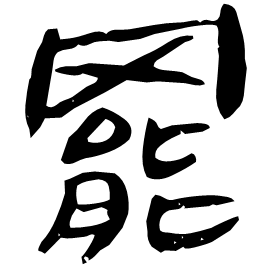
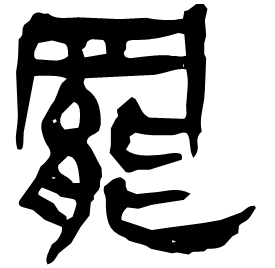
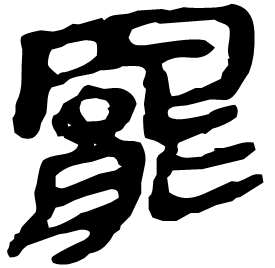
Depicts a tired bear (能) trapped under a net (网). Based on the original meaning "tired, wear out". The meaning later shifted to "stop" and "quit".
Components
Character Evolution


Component uses
Sound (1)
Historical Pronunciations
| Middle Chinese | Old Chinese | Gloss | |
|---|---|---|---|
| Baxter-Sagart | beaX | [b]ˤrajʔ | stop, cease |
| bje | [b]raj | wear out, exhaust |
說文解字
《說文》:“罷,遣有辠也。从网、能,言有賢能而入网,而貰遣之。《周禮》曰:‘議能之辟。’”
Sources
- Character origin
- 漢語多功能字庫李学勤《字源》p.685
- Readings & variants
- Unicode
- Historical pronunciations
- Baxter-Sagart
- Historical images
- Academia Sinica
- Etymology
- Shuowen Jiezi (說文解字)