Original meaning: basket
Pictograph of a basket, now written as 箕. The current meaning is a phonetic loan.
Character Evolution

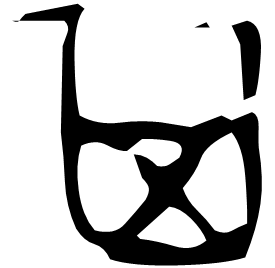

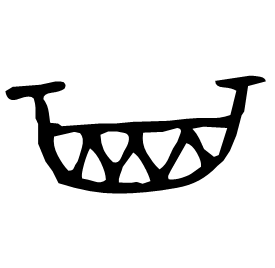
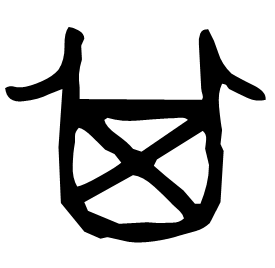
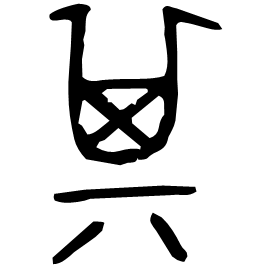
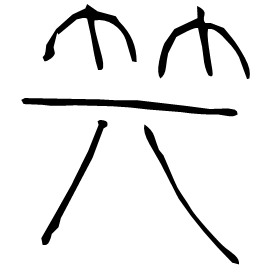
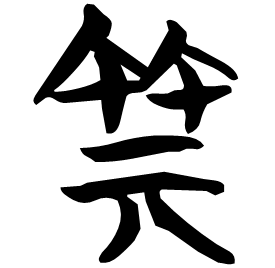
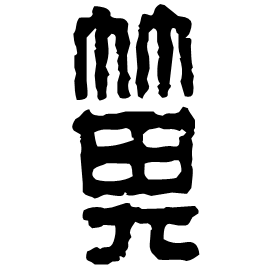
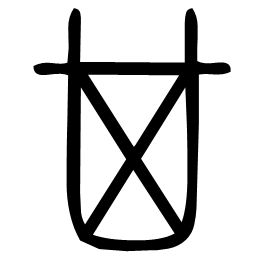
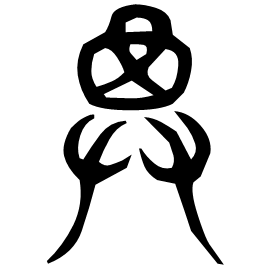
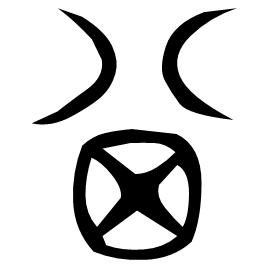
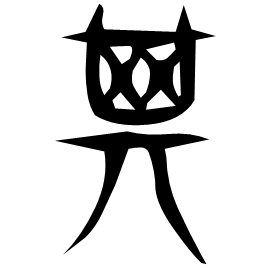
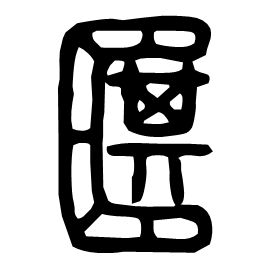

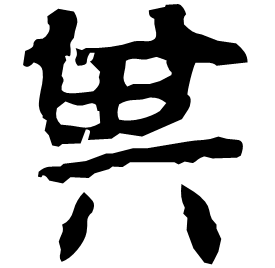
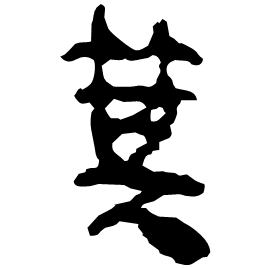
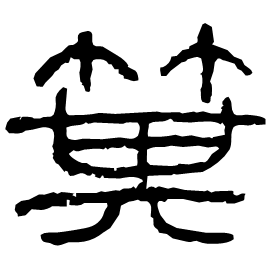
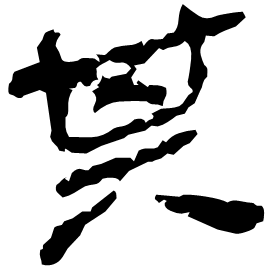
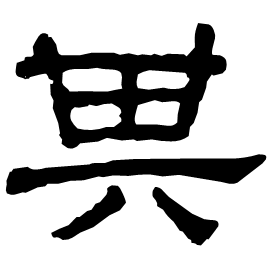

Component uses
Historical Pronunciations
| Middle Chinese | Old Chinese | Gloss | |
|---|---|---|---|
| Baxter-Sagart | gi | gə | modal particle |
| gi | gə | (3p possessive) |
說文解字
《說文》:“箕,簸也。从竹;,象形;下其丌也。,古文箕省。,亦古文箕。,亦古文箕。廿从一八,籀文箕。,籀文箕。”
Sources
- Character origin
- 漢語多功能字庫
- Readings & variants
- Unicode
- Historical pronunciations
- Baxter-Sagart
- Historical images
- Academia Sinica
- Etymology
- Shuowen Jiezi (說文解字)
Traditional
Components
Historical Pronunciations
| Old Chinese | |
|---|---|
| Zhengzhang | saːd |
Sources
- Readings & variants
- Unicode
- Historical pronunciations
- Zhengzhang Shangfang
Traditional
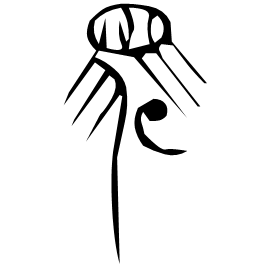
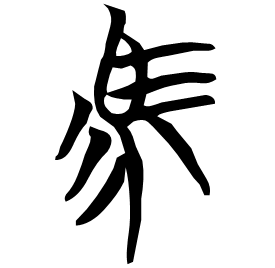
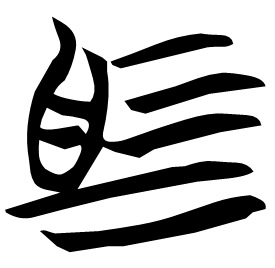
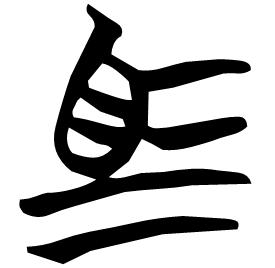
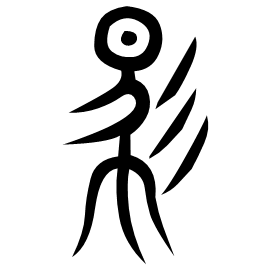
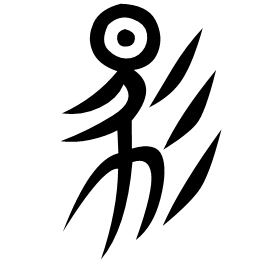
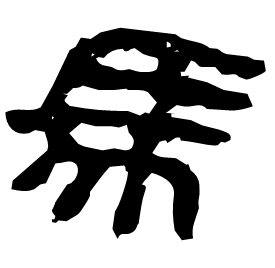
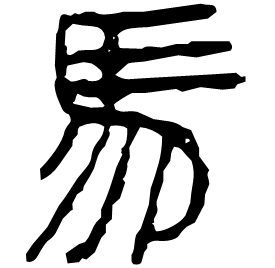
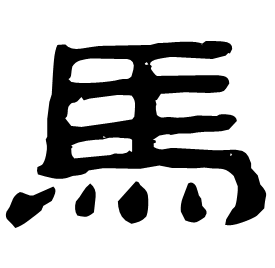
Pictograph of a horse.
Character Evolution

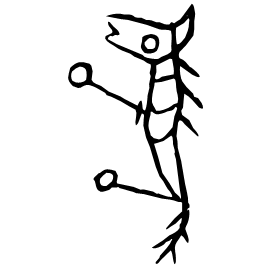
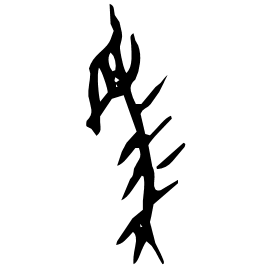
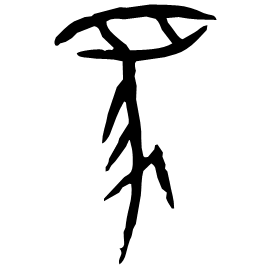

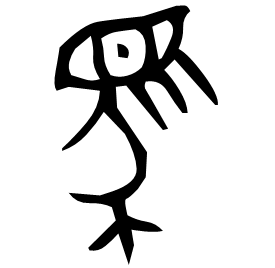
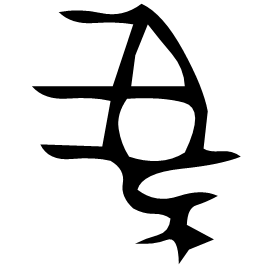
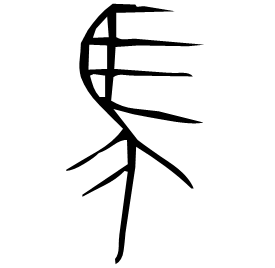
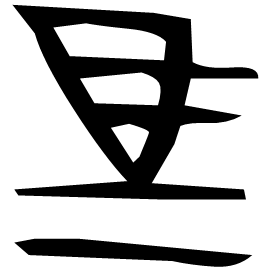

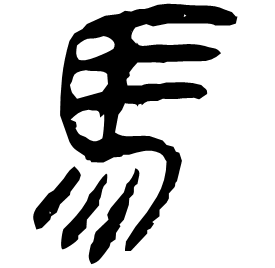
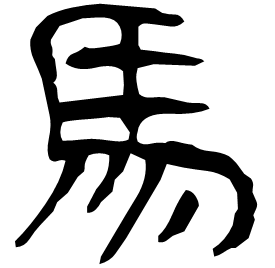
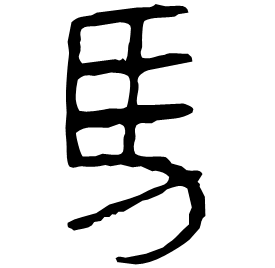
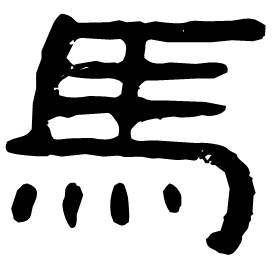

Component uses
Historical Pronunciations
| Middle Chinese | Old Chinese | Gloss | |
|---|---|---|---|
| Baxter-Sagart | maeX | mˤraʔ | horse |
說文解字
《說文》:“馬,怒也;武也。象馬頭髦尾四足之形。,古文。,籀文馬與同,有髦。”
Sources
- Character origin
- 季旭昇《說文新證》p.741-742漢語多功能字庫
- Readings & variants
- Unicode
- Historical pronunciations
- Baxter-Sagart
- Historical images
- Academia Sinica
- Etymology
- Shuowen Jiezi (說文解字)